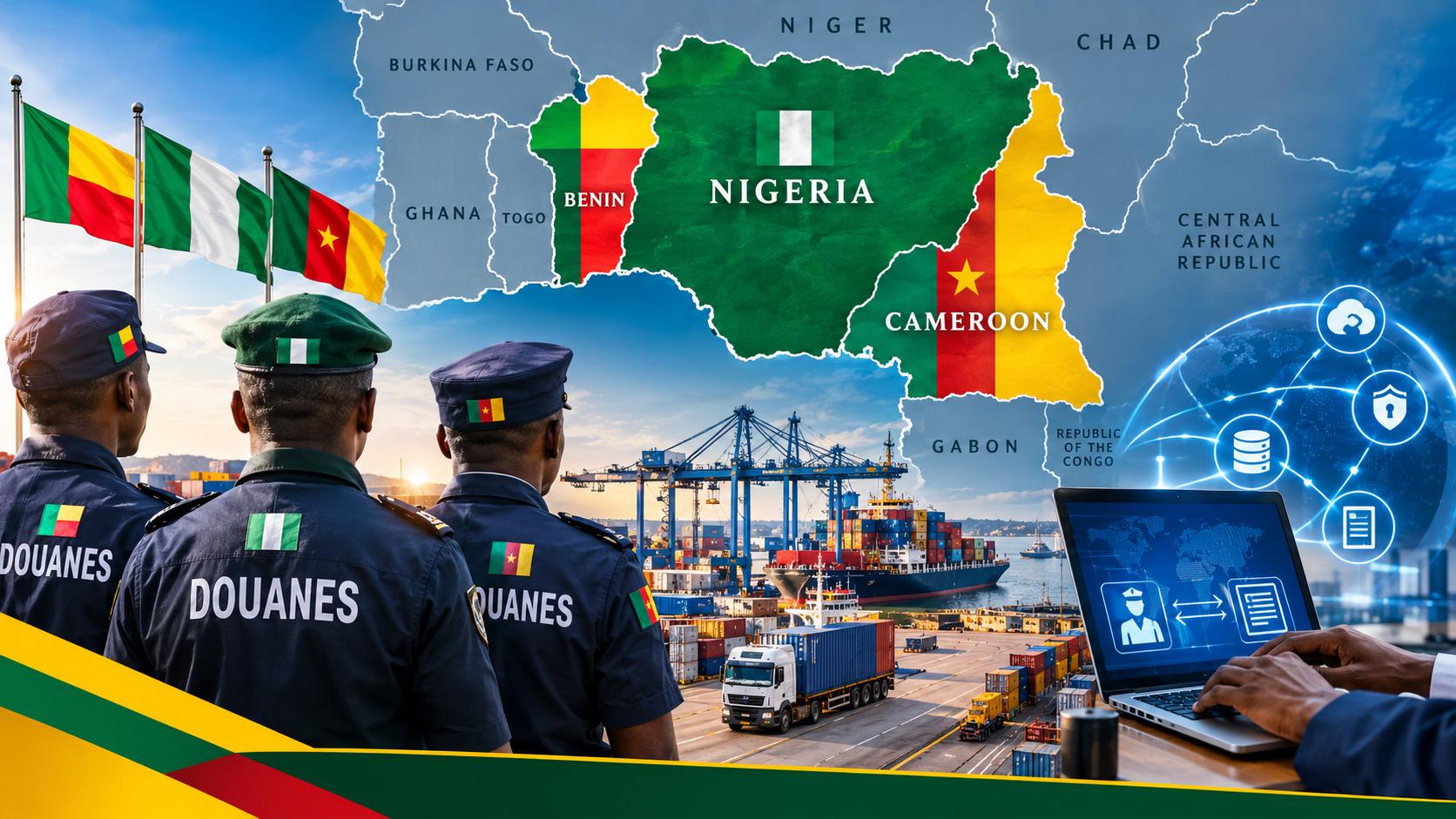
The decision by Benin, Nigeria, and Cameroon to interconnect their customs systems has ignited a wave of discussion across the continent. While proponents highlight faster trade flows and reduced delays, critics question the practical hurdles and long-term sustainability of such a regional initiative.
Public reactions underscore both optimism and skepticism
Since the October 2026 announcement in Cairo, stakeholders have divided sharply over the proposed digital customs integration. Business associations welcome the move, emphasizing that streamlined procedures could significantly lower trade barriers. However, logistics operators voice concerns about implementation challenges, particularly regarding data security and system compatibility across three distinct administrative frameworks.
Public debate has intensified as policymakers and private sector representatives assess potential outcomes. Questions persist about whether this collaboration will translate into measurable improvements or remain a symbolic gesture amid broader regional trade frictions.
Technical integration faces high-stakes challenges
Digitizing cross-border customs procedures aims to eliminate redundant data entries, accelerate clearance times, and improve transparency. Yet success depends on more than just technological alignment. Harmonized regulations, consistent training for customs officers, and robust infrastructure across all three countries are essential prerequisites.
For Benin, the stakes are particularly high due to its strategic port infrastructure, which serves multiple inland markets. A seamless flow of customs data between Cotonou, Abuja, and Yaoundé could enhance competitiveness, reduce fraud, and improve predictability for businesses. However, without careful coordination, the risk remains that partial implementation could create new bottlenecks rather than resolve existing ones.
Balancing regional ambition with operational realities
Afreximbank’s involvement signals broader continental support for trade facilitation. Yet critical questions remain unanswered. What timetable will govern the rollout? Which data categories will be shared, and under what security protocols? How will the three administrations ensure system continuity and resolve potential technical conflicts?
These issues are pivotal in determining whether this initiative will achieve its stated goals or become another example of stalled regional cooperation. The difference between success and failure will lie in the details of execution, not the vision alone.
The path forward: from planning to tangible impact
If implemented effectively, digital customs integration could set a precedent for West and Central African trade efficiency. However, the true measure of progress will be visible at border crossings: shorter wait times, fewer administrative hurdles, and clearer trade pathways. Until then, public debate will continue to scrutinize whether this collaboration represents a breakthrough or another unfulfilled promise in Africa’s economic integration.
For businesses and policymakers alike, the coming months will be decisive. The success of this initiative hinges not on technology alone, but on the ability of three nations to align their systems, priorities, and expectations in a way that delivers real, lasting benefits.